Does ashwagandha help tinnitus? An AudiVax myth-check
Ashwagandha does not cure or treat tinnitus, and no credible study shows it silences ear ringing — but as an adaptogen traditionally used to support a calm response to everyday stress, it may make life with tinnitus feel less intrusive for some people. That distinction, between soothing the person and fixing the ear, is the whole point of this myth-check, and it is exactly how AudiVax uses ashwagandha: as one supporting botanical, never as a remedy.
Does ashwagandha help tinnitus? The honest version.
- Direct effect on ringing
- Unproven. There is no strong clinical trial showing ashwagandha reduces tinnitus itself.
- Where it may help
- Stress and sleep. Ashwagandha is studied for calm and rest, and stress can make existing ringing feel louder.
- The myth to drop
- “An adaptogen turns off tinnitus.” It does not target the ear at all.
- Its role in AudiVax
- One of several calming and circulatory botanicals in a daily capsule — a wellness habit, not a treatment.
Tinnitus — the perception of ringing, buzzing or hissing with no outside source — is common, and it is easy to see why a well-known calming herb gets pulled into the conversation. Below we separate what ashwagandha is genuinely used for from the claims it has picked up online, and show where a blended formula like AudiVax honestly fits. For the wider picture, our companion guide on ashwagandha for hearing and stress goes deeper on the stress angle.
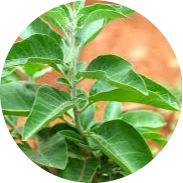
What is ashwagandha, and what is it actually used for?
Ashwagandha (Withania somnifera) is an adaptogen from Ayurvedic tradition, valued for helping the body meet everyday stress rather than for acting on any single organ. In modern use it is most often discussed for stress resilience, sleep quality and a general sense of steadiness. What it is not traditionally used for is the ear: classical texts and contemporary supplement science alike frame it as a whole-body calming herb, not a hearing or tinnitus agent. Holding that original purpose clearly in view is the first step in any honest myth-check.
That matters because most tinnitus claims about ashwagandha borrow credibility from its real, better-studied territory — stress and sleep — and then quietly extend it to ringing ears, where the evidence runs out. The herb is legitimate; the leap is not.
Does ashwagandha help tinnitus? What the evidence says
The honest evidence-based answer is that ashwagandha has no proven direct effect on tinnitus. Searches of the clinical literature turn up research on anxiety, stress hormones, sleep and exercise recovery — not controlled trials measuring whether ear ringing gets quieter. When a supplement page implies otherwise, it is usually stretching general adaptogen findings to cover a symptom they were never designed to test.
Is there direct research on ashwagandha and tinnitus?
There is no robust, tinnitus-specific clinical trial of ashwagandha to point to. The bulk of well-designed studies measure stress and sleep outcomes in otherwise healthy adults, which tells us about calm and rest but says nothing definitive about the auditory system. Anyone claiming a proven “ashwagandha for tinnitus” result is overstating what the science currently supports.
What about the stress–tinnitus connection?
Stress does not create tinnitus out of nowhere, but it is widely reported to change how loud and how bothersome existing ringing feels. Because the auditory system is wired closely to the parts of the nervous system that handle stress and attention, a tense, poorly-rested state can turn a background hiss into a foreground distraction. This is the one place the ashwagandha conversation has a reasonable footing: if a calmer baseline makes your ringing easier to live with, that is support for you, not a change in the ear. Our piece on how stress affects your hearing unpacks that link in more detail.
| Common claim | What the evidence actually supports | Verdict |
|---|---|---|
| “Ashwagandha stops tinnitus” | No controlled trial shows it reduces ear ringing. | Myth |
| “Adaptogens repair the inner ear” | Adaptogens are studied for stress, not hair-cell repair. | Myth |
| “It may ease stress that makes ringing feel louder” | Ashwagandha is studied for stress and sleep; the stress–tinnitus link is plausible. | Partly fair |
| “Better sleep can make tinnitus less bothersome” | Rest is widely reported to lower perceived intrusiveness. | Reasonable |
| “It replaces seeing an audiologist” | Nothing here substitutes for professional assessment. | Myth |
How could an adaptogen affect ear ringing at all?
Any influence an adaptogen has on tinnitus is indirect, working through the body rather than the ear. The proposed chain is simple and modest: ashwagandha is used to support a calmer stress response and better sleep; a calmer, better-rested nervous system tends to pay less anxious attention to internal sounds; and less anxious attention can make an unchanged ringing feel quieter. Notice that at no point does the sound itself get switched off — what may shift is your relationship to it.
That is a meaningful quality-of-life idea for some people, and it is worth taking seriously without overselling. It is also why AudiVax pairs ashwagandha with other calming and circulatory botanicals instead of leaning on one “hero” herb, and why we compare approaches in hawthorn vs ginkgo for circulation. Adaptogens are a support to good habits — protection, sleep, movement — not a shortcut around them.
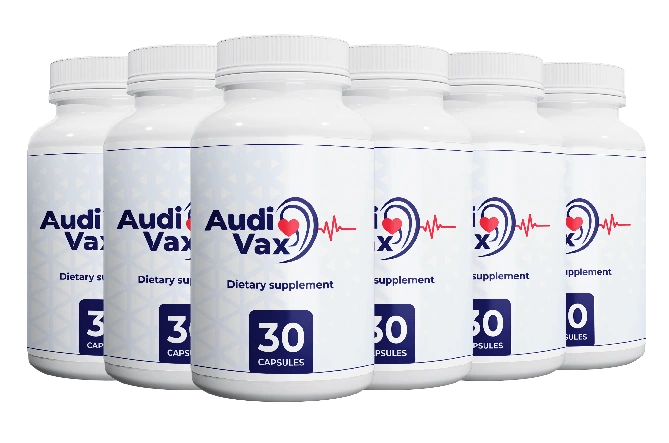
See the exact dose in AudiVax
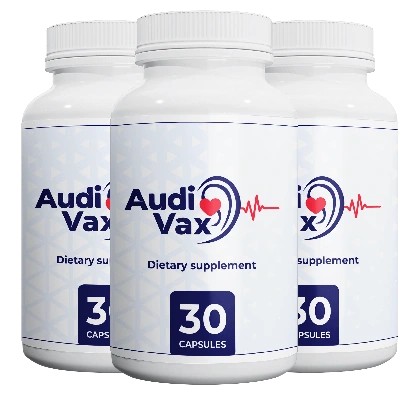
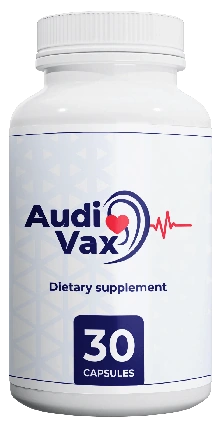
AudiVax is a once-daily capsule that combines ashwagandha with calming valerian and passionflower, circulatory hawthorn and adaptogenic rhodiola. The supplement facts panel lists every amount — no guesswork, no mega-dosing.
Check today’s AudiVax pricing →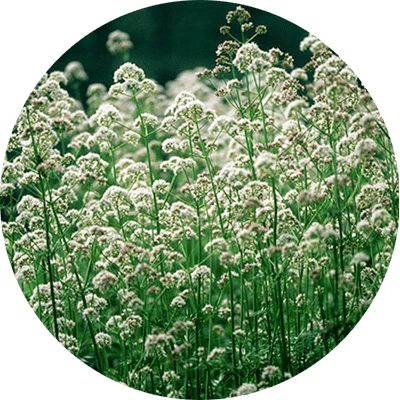
What role does ashwagandha play in AudiVax?
In AudiVax, ashwagandha is a supporting adaptogen within a balanced blend — never positioned as a tinnitus treatment. The formula is built around the everyday levers that actually matter for ear wellness: calm, sleep and healthy circulation. Ashwagandha and rhodiola cover the stress-resilience side, valerian, passionflower, chamomile and skullcap handle calm and restful downtime, and hawthorn supports healthy circulation, the body the inner ear depends on. It is a once-daily capsule designed as a wellness habit, not a pill aimed at silencing a symptom.
| Botanical in AudiVax | Category | Traditional / general role |
|---|---|---|
| Ashwagandha | Adaptogen | Valued for supporting a calm response to daily stress. |
| Rhodiola | Adaptogen | Used to help the body meet stress and support steady energy. |
| Valerian | Nervine | Long used to encourage relaxation and restful downtime. |
| Passionflower | Nervine | Traditionally taken to support a calm, settled state. |
| Hawthorn | Circulatory herb | A long history of supporting healthy circulation. |
For the full line-up and amounts, see the AudiVax ingredients section, or read our broader AudiVax review for how the blend is meant to be used day to day.
How should you set expectations with ashwagandha for tinnitus?
The realistic expectation is comfort support, not silence. If ashwagandha helps you at all with tinnitus, it is most likely to show up as feeling calmer and sleeping a little better, which can make the ringing easier to ignore — not as the sound disappearing. Give any botanical weeks, not days, and treat it as one part of a routine that also includes noise protection, movement and consistent sleep. If your main goal is quieter days overall, our guide on how to reduce ringing in ears naturally covers the wider toolkit.
Be wary of any product promising to “eliminate” tinnitus with a single herb or a rapid fix. Individual results vary, the evidence for direct effects is thin, and honesty about that is the point of a myth-check.
When should you see a professional about tinnitus?
Persistent, sudden or one-sided tinnitus is a signal to get assessed, not to self-treat with supplements. See an audiologist or doctor promptly if ringing is new and one-sided, comes on suddenly, arrives with hearing loss, dizziness, ear pain or drainage, or is distressing enough to affect sleep and mood. Tinnitus can have many causes — some simple, some worth investigating — and a professional can rule things out and point you to proven management strategies. Ashwagandha and AudiVax are everyday wellness support, never a substitute for that assessment.
Frequently asked questions
Does ashwagandha help tinnitus?
Ashwagandha is not proven to treat or cure tinnitus, and AudiVax makes no such claim. It is an adaptogen traditionally used to support a calm response to everyday stress; because stress can make ear ringing feel more intrusive for some people, supporting calm may make daily life more comfortable — but that is support for the person, not a treatment for the ear.
Is there scientific evidence that ashwagandha reduces ear ringing?
There is no robust clinical trial showing that ashwagandha reduces tinnitus. Most research examines stress, sleep and anxiety measures rather than ear ringing itself, so any link is indirect and unproven. Honest expectations matter here.
Can ashwagandha make tinnitus worse?
For most healthy adults ashwagandha is well tolerated, but individual responses vary. If you notice any change in your ringing after starting any supplement, stop and speak with a qualified professional. AudiVax is a daily wellness habit, not a tinnitus remedy.
How is ashwagandha different from ginkgo for the ears?
Ginkgo is discussed mainly in the context of circulation, while ashwagandha is an adaptogen discussed for stress resilience. Neither is a proven tinnitus treatment. AudiVax leans on ashwagandha for calm and hawthorn for circulation rather than relying on any single herb.
How much ashwagandha is in AudiVax?
Ashwagandha is one of several botanicals in the once-daily AudiVax capsule; the exact amount is listed on the supplement facts panel, since the formula is designed as a balanced blend rather than a single high-dose herb.
Does ashwagandha replace medical care for tinnitus?
No. Persistent, sudden or one-sided ringing deserves a professional assessment. Ashwagandha and AudiVax support everyday calm and wellness; they do not diagnose, treat, cure or prevent tinnitus or any condition.
See the exact dose in AudiVax — try it risk-free for 60 days →
AudiVax is a dietary supplement, not a treatment for any medical condition, including hearing loss or tinnitus. These statements have not been evaluated by the Food and Drug Administration. This product is not intended to diagnose, treat, cure or prevent any disease. Always consult a qualified healthcare professional about your individual needs.
References & further reading
- National Center for Complementary and Integrative Health (NCCIH). Ashwagandha. nccih.nih.gov/health/ashwagandha
- National Institute on Deafness and Other Communication Disorders (NIDCD). Tinnitus. nidcd.nih.gov/health/tinnitus
- Examine.com. Ashwagandha (Withania somnifera). examine.com/supplements/ashwagandha
- Arumugam V. et al. Effects of Ashwagandha (Withania somnifera) on stress and anxiety: a systematic review and meta-analysis. Explore (NY), 2024.
- Mayo Clinic. Tinnitus — symptoms and causes. mayoclinic.org/diseases-conditions/tinnitus
These references describe the ingredients and condition in general terms and do not constitute evidence that any product treats, cures or prevents tinnitus or any condition.
Keep reading: ashwagandha for hearing and stress · how to reduce ringing in ears naturally · back to the AudiVax blog · homepage.