How stress affects your hearing: the AudiVax guide
Stress affects your hearing indirectly: it does not tear the inner ear, but a nervous system stuck on high alert can make everyday listening feel harder, tighten the body that feeds the ears, and turn up the volume on sensations such as ringing. Because the auditory system and the stress response share so much wiring, a calmer, better-rested body tends to make the ears feel more comfortable — which is the whole idea behind a calm-first routine.
How stress and your ears are connected, in one place.
- The short version
- Stress does not directly cause hearing loss, but it can make listening feel harder and make ringing more noticeable by keeping the nervous system on alert.
- The cortisol link
- Sustained high cortisol keeps the body tense and can work against the steady circulation the inner ear depends on.
- Why it matters
- Ear comfort often tracks how rested you feel, so calming the body is a low-risk everyday lever.
- Where AudiVax fits
- Calming botanicals plus circulatory hawthorn support a calm routine — a wellness habit, never a treatment.
If your ears feel touchier during a tense, sleepless week, you are not imagining it. This guide separates what stress can and cannot do to your hearing, and shows where a calm-first formula like AudiVax plays a supporting role.

What is the real link between stress and your hearing?
The link between stress and hearing is one of perception and physiology, not direct injury: stress does not damage hair cells the way loud noise can, but it changes the state of the body and brain those cells report to. When the nervous system is wound tight, it amplifies alertness and heightens sensitivity — so ordinary sounds can feel sharper and background noise more tiring. Stress rarely changes the sound arriving at your ear; it changes how demanding that sound feels to process.
There is also a physical thread. The inner ear is fed by one of the finest networks of blood vessels in the body, and the stress response influences circulation throughout that network. A body that is chronically braced is not the calm, well-circulated environment in which ears do their easiest work.
How does cortisol affect the ears?
Cortisol is the body's main stress hormone, and its effect on the ears is best understood as environmental rather than direct. In short bursts cortisol is helpful, but when stress is relentless and cortisol stays elevated for weeks, the body never fully stands down. That sustained alert state keeps muscles tense, disrupts sleep and can work against the steady circulation the inner ear relies on. This is not how a supplement "treats" an ear condition; it is simply why a balanced stress response is part of the backdrop to comfortable listening.

Does chronic stress change circulation to the inner ear?
Chronic stress is associated with the same cardiovascular strain researchers study in relation to hearing, because the ear shares the body's circulation. The delicate inner ear cannot store its own reserves; it depends on a constant, steady blood supply. States that support healthy circulation — regular movement, not smoking, a calmer baseline — support the environment the ear sits in. This is a general wellness point, not a claim that improving circulation restores hearing.
Can stress cause tinnitus or make ringing worse?
Stress does not create tinnitus out of nothing, but it is one of the most commonly reported triggers for noticing it more. Tinnitus — the perception of ringing, buzzing or hissing with no external source — is generated inside the auditory system, and its loudness in your awareness is heavily shaped by attention and arousal. When you are stressed, tired or anxious, the nervous system is primed to detect threats, and a persistent internal sound is exactly the kind of signal it latches onto — which is why so many people say their ringing is loudest during their most stressful weeks.
The takeaway is hopeful without overpromising: calming the body does not remove tinnitus, but a settled state often makes it far easier to tune out. For a deeper look, see our guide on how to reduce ringing in the ears naturally.
What are the signs stress is affecting your ears?
Stress-related ear discomfort tends to show up as a cluster of comfort and perception changes rather than a measured drop in hearing. The table below is a general guide, not a diagnostic tool — any persistent or one-sided change deserves a professional check.
| What you may notice | How stress can contribute | What tends to help |
|---|---|---|
| Sounds feel sharper or more tiring | Heightened nervous-system alertness | Rest, breaks, lower stimulation |
| Ringing seems louder | Attention narrows onto internal signals | Calm routines, better sleep |
| A "full" or tense feeling around the ears | Jaw and neck muscle tension | Relaxation, gentle movement |
| Harder to follow speech in noise | Fatigue and reduced focus | Recovery, quiet listening breaks |
| Discomfort peaks on bad-sleep days | Poor recovery and higher arousal | Consistent sleep, wind-down |

Build calm into your daily routine
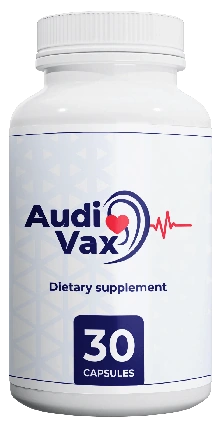
AudiVax is a once-daily capsule that pairs calming botanicals — valerian, passionflower, chamomile and skullcap — with circulatory hawthorn and stress-steadying adaptogens. See the exact dose in AudiVax and today's bundle pricing, from $49 per bottle with a 60-day guarantee.
Check today's AudiVax pricing — from $49/bottleHow can you calm the nervous system for better ear comfort?
Calming the nervous system for the sake of your ears means lowering everyday arousal so the body spends more of its day in a settled, well-circulated state. None of the steps below are exotic; their power is in consistency — turning the whole system's volume down a notch, the environment in which ears feel their most comfortable.
Which daily habits lower everyday tension?
The habits that steady the nervous system are the same ones that steady sleep, mood and circulation. Slow, extended exhales signal safety to the body and can ease tension within minutes. A daily walk supports the circulation the whole body shares. Protecting a consistent bedtime lets sleep do its quiet repair work, and short screen-free wind-downs help the brain shift out of alert mode. For an ear-specific evening routine, see our guide on how to calm your ears before sleep.
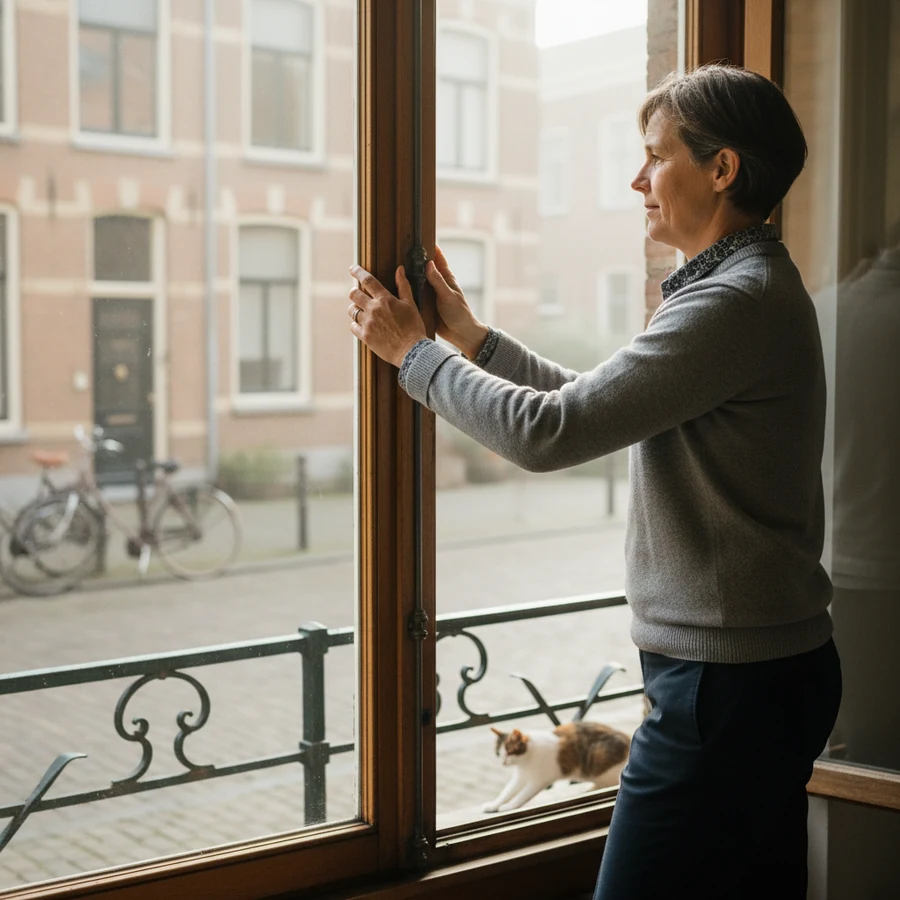
Where do calming botanicals fit into tension and ear comfort?
Calming botanicals fit as a gentle support to a calm routine, not as a replacement for it and never as a treatment. Several herbs with long traditional use for relaxation appear in the ear-and-calm-wellness conversation, and they work best as one repeatable step in a day that already includes sleep and downtime. The point is not sedation; it is helping a wound-up system find its baseline.

Where does AudiVax fit in a calm-first routine?
AudiVax fits as the once-daily supplement step inside a calm-first routine, bundling the botanicals people otherwise take one by one into a single evening capsule. The premise is simple: if everyday ear comfort tracks how calm and well-circulated the body is, then a formula that supports calm and circulation is a sensible daily habit — a wellness product, not a therapy. The table below maps the blend to why each ingredient is discussed.
| Ingredient | Category | Why it is in the conversation |
|---|---|---|
| Valerian | Nervine | Long used to encourage relaxation and restful downtime. |
| Passionflower | Calming vine | Traditionally taken to support a calm, settled state. |
| Chamomile & skullcap | Nervines | Classic evening herbs for winding down. |
| Hawthorn | Circulatory herb | A long history of supporting healthy circulation. |
| Rhodiola & ashwagandha | Adaptogens | Used to support a steadier response to daily stress. |
For the full breakdown of doses and how to take it, read our AudiVax review or the ingredients section. To understand the herbs first, our guide to calming herbs for ear comfort covers each one in depth.
When should stress-related hearing changes be seen by a professional?
Stress management supports everyday ear comfort, but it is never a substitute for medical care. See an audiologist or doctor promptly if you notice sudden or one-sided hearing loss, ear pain, persistent or worsening ringing, dizziness or any discharge — treating these as "just stress" risks a delay. A hearing test is quick and painless, and it is the only way to know what is really going on. AudiVax is a daily wellness habit, not a treatment for hearing loss, tinnitus or any other condition.
Frequently asked questions
Can stress really affect your hearing?
Stress does not damage the inner ear directly, but a chronically stressed nervous system can make everyday listening feel harder and can make sensations such as ringing more noticeable. Because the auditory system and the stress response share wiring, calmer, better-rested days often feel easier on the ears. This is about comfort and perception, not a cure for hearing loss.
Does cortisol have anything to do with the ears?
Cortisol is the body's main stress hormone, and when it stays elevated for long stretches it keeps the whole system on alert and can work against the steady, healthy circulation the inner ear relies on. Supporting a balanced stress response is therefore part of everyday ear wellness, though no supplement lowers cortisol as a treatment for any ear condition.
Why does tinnitus seem louder when I am stressed?
Many people notice ringing more during tense, tired or anxious periods because stress raises the nervous system's overall alertness and narrows attention onto uncomfortable sensations. Calming the body does not remove tinnitus, but a settled, well-rested state often makes it easier to tune out. Persistent or one-sided tinnitus should always be checked by a professional.
Can calming herbs or AudiVax reduce stress-related ear discomfort?
Calming botanicals such as valerian, passionflower and ashwagandha are traditionally used to support relaxation and a steadier response to daily stress, the environment in which ears tend to feel most comfortable. AudiVax combines these with circulatory hawthorn as a daily wellness habit, not a treatment for tinnitus or hearing loss.
How long does it take for lower stress to help the ears feel calmer?
A single episode of slow breathing or a quiet walk can ease tension within minutes, while the deeper benefits of better sleep and a lower everyday stress load build over weeks. Botanicals build their support gradually too, so consistency matters more than any single dose, and individual results vary.
When should stress-related hearing changes be seen by a professional?
See an audiologist or doctor promptly for sudden or one-sided hearing loss, ear pain, persistent or worsening ringing, dizziness or discharge. Stress management is never a substitute for care, and AudiVax is a daily wellness habit, not a treatment for any of these.
See the exact dose in AudiVax — risk-free for 60 days →
AudiVax is a dietary supplement, not a treatment for any medical condition, including hearing loss or tinnitus. These statements have not been evaluated by the Food and Drug Administration. This product is not intended to diagnose, treat, cure or prevent any disease. Always consult a qualified healthcare professional about your individual needs.
References & further reading
- National Institute on Deafness and Other Communication Disorders (NIDCD). Tinnitus. nidcd.nih.gov/health/tinnitus
- National Center for Complementary and Integrative Health (NCCIH). Stress. nccih.nih.gov/health/stress
- Mayo Clinic. Chronic stress puts your health at risk. mayoclinic.org/stress/art-20046037
- National Center for Complementary and Integrative Health (NCCIH). Ashwagandha. nccih.nih.gov/health/ashwagandha
- Examine.com. Valerian. examine.com/supplements/valerian
- Basso L. et al. Hair-cortisol and hair-BDNF as biomarkers of tinnitus loudness and distress in chronic tinnitus. Scientific Reports, 2022.
These references describe the ingredients and habits in general terms and do not constitute evidence that any product treats, cures or prevents any condition.
Keep reading: ashwagandha for hearing and stress · calm your ears before sleep · the AudiVax blog · homepage.