Hawthorn vs ginkgo for circulation: how AudiVax compares the two
Hawthorn and ginkgo are the two botanicals people most often compare for circulation, and the honest answer is that they are not interchangeable: hawthorn is a traditional cardiovascular tonic studied mainly around heart function and gentle vascular support, while ginkgo biloba is studied more for peripheral and cerebral blood flow. For ear-relevant circulation, the choice comes down to the evidence, the safety profile, and how well each herb fits a daily calm-and-circulation routine — which is why AudiVax leans on hawthorn.
Hawthorn vs ginkgo for circulation, in one honest snapshot.
- The short version
- Neither is universally "better." Hawthorn leans cardiovascular and gentle; ginkgo leans peripheral and cerebral blood flow, with more interaction caution.
- For ear-relevant flow
- The inner ear runs on a fine vascular network, so both are discussed — but evidence for either directly changing hearing is limited.
- Why AudiVax picks hawthorn
- It pairs cleanly with calming herbs, has a long traditional record, and carries fewer blood-thinner concerns than ginkgo — but check with a professional before starting either.
If you have searched ginkgo biloba vs hawthorn and come away confused, you are not alone: both are sold for "circulation," yet the research points in different directions. Below we compare the two and show why a daily formula like AudiVax builds its circulatory step on hawthorn.

What is the difference between hawthorn and ginkgo for circulation?
The core difference is where each botanical is thought to act: hawthorn is traditionally a heart-and-vessel tonic, while ginkgo is used mainly for blood flow in the brain and extremities. Hawthorn (Crataegus) is rich in flavonoids and proanthocyanidins with centuries of cardiovascular use; ginkgo (Ginkgo biloba) supplies flavone glycosides and terpene lactones and is marketed for memory, cold hands and feet, and tinnitus. They overlap in "supporting circulation" but are studied in different contexts and carry different cautions.
For the ears specifically, both matter only indirectly. The inner ear is fed by one of the body's finest vascular beds, so anything that supports healthy circulation supports the environment those cells live in — but that is not the same as treating a condition, and neither herb is a remedy for hearing loss or ringing.
Why does circulation matter for your ears?
Ear-relevant circulation matters because the delicate sensory cells of the inner ear depend on a steady, uninterrupted blood supply to work well. Those hair cells do not regrow, and they are nourished by tiny vessels that leave little margin for poor flow. That is why "circulation herbs compared" is a common search: whatever supports the cardiovascular system may support the vascular environment the ears rely on.
That logic is reasonable but should stay modest: large studies link cardiovascular health with hearing outcomes, but that is a population-level association, not proof any single supplement changes an individual's hearing. Treat circulation-supporting botanicals as one small part of a bigger picture that also includes movement, sleep and noise protection — the fundamentals we cover in supporting healthy hearing naturally.

How does hawthorn support circulation?
Hawthorn supports circulation as a traditional cardiovascular tonic, valued for the flavonoid and proanthocyanidin antioxidants in its berries, leaves and flowers. In herbal practice it has long supported healthy heart function and steady vascular tone rather than forcing a fast change.
What does the research on hawthorn actually show?
The most-cited clinical work on hawthorn looks at symptoms of chronic heart failure, where a Cochrane systematic review reported modest benefits for exercise tolerance and symptom control as an adjunct to conventional care. That is a specific medical context, not evidence about ear circulation. The honest framing: hawthorn has a long traditional record and some supportive cardiovascular research, while its direct effect on hearing has not been established.
Is hawthorn gentle enough for daily use?
Hawthorn is generally well tolerated, with most reported effects being mild. The main caution is that, because it acts on the cardiovascular system, it can interact with heart and blood-pressure medications — so anyone on those drugs should speak with a pharmacist or doctor before starting it.
How does ginkgo biloba support circulation?
Ginkgo biloba supports circulation mainly through effects linked to peripheral and cerebral blood flow, which is why it is marketed for memory, concentration and cold extremities. Standardized extracts have been studied for cognitive support and for conditions involving reduced blood flow, with results that are frequently mixed and often modest.
Does ginkgo help tinnitus or hearing?
This is where expectations most often outrun the evidence. A Cochrane review of ginkgo for tinnitus found no convincing evidence that it helps people whose primary complaint is ringing in the ears. Some smaller or older trials are more encouraging, so the picture is mixed — but "mixed" is not "proven," and no botanical treats tinnitus. If ringing is your main concern, see our overview of reducing ringing in the ears naturally.
What are ginkgo's main safety cautions?
Ginkgo's best-known caution is bleeding risk: it may add to the effect of blood thinners such as warfarin and antiplatelet drugs, and many clinicians advise stopping it before surgery. These interaction concerns are a big part of why a daily, broadly-used wellness formula may prefer hawthorn.
| Factor | Hawthorn (Crataegus) | Ginkgo biloba |
|---|---|---|
| Traditional focus | Heart & vascular tone | Cerebral & peripheral blood flow |
| Key compounds | Flavonoids, proanthocyanidins | Flavone glycosides, terpene lactones |
| Best-studied use | Chronic heart-failure symptoms (adjunct) | Cognition; circulation in extremities |
| Ear / tinnitus evidence | Indirect, limited | Studied but not convincing (Cochrane) |
| Main safety caution | Heart & BP medication interactions | Bleeding risk with blood thinners |
| In AudiVax? | Yes — the circulatory step | No |
See the exact dose in AudiVax
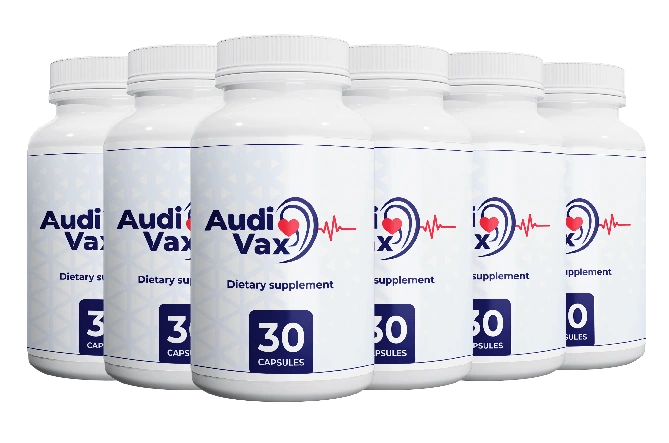
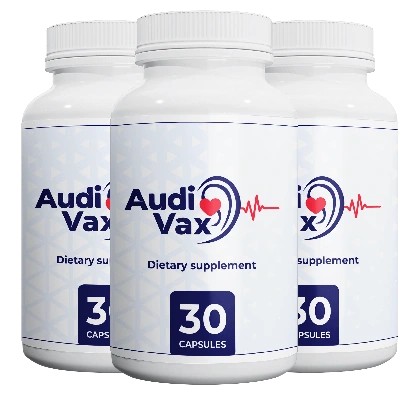
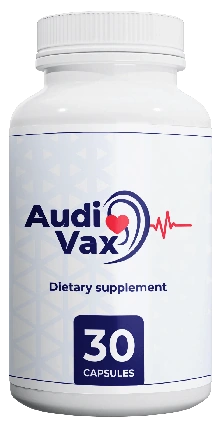
AudiVax pairs circulatory hawthorn with calming botanicals and adaptogens in one daily capsule — no ginkgo. The six-bottle bundle is the best value at $49 per bottle, with free U.S. shipping and a 60-day guarantee.
Check today's AudiVax pricing — from $49/bottleHawthorn vs ginkgo: which fits a daily wellness routine?
For a once-daily wellness routine, the deciding factors are consistency, tolerability and how cleanly a herb stacks with others — and here hawthorn tends to be the more comfortable everyday fit. Ginkgo's stronger association with bleeding interactions means many people are told to pause it around surgery, which is awkward for a supplement taken every day for months.
| If your priority is… | Leans hawthorn | Leans ginkgo |
|---|---|---|
| Traditional cardiovascular support | ✓ | |
| Cognitive / brain-blood-flow focus | ✓ | |
| Pairing with calming botanicals | ✓ | |
| Fewer blood-thinner concerns | ✓ | |
| Everyday, months-long routine | ✓ | |
| Best-known name / cognition claims | ✓ |
None of this makes ginkgo a poor herb; it serves a different priority. For broad ear-and-calm wellness rather than cognition, hawthorn is the more natural anchor — the one AudiVax chose.
Why does AudiVax lean on hawthorn instead of ginkgo?
AudiVax leans on hawthorn because the formula is built around everyday calm and circulation, and hawthorn fits that job most cleanly. Rather than chase the cognition angle ginkgo is known for, AudiVax pairs circulatory hawthorn with calming valerian, passionflower, chamomile and skullcap, plus the adaptogens rhodiola and ashwagandha, in a single evening capsule.
Three reasons drive that choice. First, hawthorn has a long traditional record for supporting healthy circulation, the environment the inner ear depends on. Second, it stacks comfortably with relaxing herbs, so the whole formula points one direction — a calmer, better-circulated body. Third, it carries fewer of the blood-thinner interactions that make ginkgo tricky for daily use. See how it sits beside the other ingredients in our note on calming herbs for ear comfort.
How should you use circulation botanicals safely?
The safest way to use any circulation botanical is as a consistent, modest daily habit on top of the fundamentals, never a replacement for medical care. Both hawthorn and ginkgo can interact with heart, blood-pressure and blood-thinning medications, so talk with your pharmacist or doctor before starting — especially if you take prescription medicine, are pregnant or nursing, or have surgery scheduled.
Hawthorn's effects build gradually over weeks, which is why AudiVax is a once-daily routine and most people choose a multi-month supply. Pair it with the habits that do the heavy lifting — noise protection, movement, sleep — and see our guide to improving ear circulation naturally.
See the exact dose in AudiVax →
Frequently asked questions
Is hawthorn or ginkgo better for circulation?
Neither is universally better; they work differently. Hawthorn is a traditional cardiovascular tonic studied mostly for heart function and gentle vascular support, while ginkgo is studied more for peripheral and cerebral blood flow. AudiVax leans on hawthorn because it pairs cleanly with calming botanicals and carries fewer bleeding-interaction concerns than ginkgo.
Does ginkgo help with tinnitus or hearing?
The evidence is weak. A Cochrane review found no convincing evidence that ginkgo biloba helps tinnitus in people whose main complaint is ringing in the ears. Some smaller studies are more positive, so results are mixed, and no botanical is a treatment for tinnitus or hearing loss.
Why does AudiVax use hawthorn instead of ginkgo?
AudiVax pairs circulatory hawthorn with calming botanicals and adaptogens for everyday ear and hearing wellness. Hawthorn has a long traditional record for supporting healthy circulation, works well alongside relaxing herbs, and has fewer well-known interactions with blood thinners than ginkgo, which better fits a daily calm-and-circulation formula.
Can I take hawthorn and ginkgo together?
Some people do, but both can interact with heart and blood-pressure medications, and ginkgo may add to the effect of blood thinners. Because the combination raises the number of possible interactions, talk with a pharmacist or doctor before stacking them, especially if you take prescription medicine.
How long does hawthorn take to work?
Traditional and study use of hawthorn is gradual, with effects building over several weeks of consistent daily use rather than in a single dose. This is why AudiVax is designed as a once-daily habit and most people choose a multi-month supply. Individual results vary.
Are hawthorn and ginkgo safe for everyone?
No supplement is right for everyone. People who are pregnant or nursing, who take heart, blood-pressure or blood-thinning medication, or who have a scheduled surgery should check with a qualified professional first. These botanicals support everyday wellness and are not a treatment for any medical condition.
Try AudiVax risk-free for 60 days →
AudiVax is a dietary supplement, not a treatment for any condition, including hearing loss or tinnitus. These statements have not been evaluated by the Food and Drug Administration, and this product is not intended to diagnose, treat, cure or prevent any disease. Always consult a qualified healthcare professional, particularly if you take medication that affects the heart, blood pressure or clotting.
References & further reading
- Examine.com. Hawthorn (Crataegus). examine.com/supplements/hawthorn
- National Center for Complementary and Integrative Health (NCCIH). Ginkgo. nccih.nih.gov/health/ginkgo
- Sereda M. et al. Ginkgo biloba for tinnitus. Cochrane Database of Systematic Reviews, 2022.
- Pittler M.H., Guo R., Ernst E. Hawthorn extract for treating chronic heart failure. Cochrane Database of Systematic Reviews, 2008.
- Examine.com. Ginkgo biloba. examine.com/supplements/ginkgo-biloba
- National Institute on Deafness and Other Communication Disorders (NIDCD). Hearing, Ear Infections, and Deafness. nidcd.nih.gov/health/hearing-ear-infections-deafness
These references describe the ingredients and habits in general terms and do not constitute evidence that any product treats, cures or prevents any condition.
Keep reading: hawthorn for circulation and ear health · how to improve ear circulation naturally · the AudiVax review · back to the AudiVax blog.