Skullcap herb benefits for ears: the AudiVax guide to a gentle American nervine
Skullcap herb benefits center on calm: American skullcap (Scutellaria lateriflora) is a traditional nervine — a plant used to support a settled, relaxed nervous system rather than to treat any illness. In a hearing-wellness formula like AudiVax it rounds out the calming side of the blend, supporting the rested, unhurried background in which everyday listening tends to feel most comfortable. It is a support to calm, not a cure.
What skullcap does, and why it is in AudiVax.
- What it is
- American skullcap (Scutellaria lateriflora), a North American mint-family herb used traditionally as a calming nervine.
- Main benefit
- Supporting everyday calm and relaxation — the reason it sits beside valerian, passionflower and chamomile in AudiVax.
- Ear connection
- Indirect: many people find ear comfort tracks with how calm and rested they feel, so a nervine supports that background. It is not a tinnitus or hearing treatment.
- How it is used
- As one botanical in a once-daily AudiVax capsule, typically taken in the evening as part of a wind-down routine.
Skullcap is one of the quieter names on a supplement label — but it captures exactly what a calming hearing-support blend is trying to do. Below we cover what it is, what the evidence does and does not say, and where it fits in AudiVax.

What is skullcap, and where does it come from?
Skullcap is a flowering herb in the mint family, named for the small cap-shaped hood on each of its blue-violet flowers. The species used for calm in Western herbalism is American skullcap, Scutellaria lateriflora, native to the wetlands of North America. Herbalists use the above-ground parts — leaves, stems and flowers — rather than the root. For centuries it has been taken as a tea or tincture to encourage relaxation, which is why it is classed as a nervine: a plant traditionally used to soothe the nervous system.
Is American skullcap the same as Chinese skullcap?
No, and the difference matters when you read a label. American skullcap (Scutellaria lateriflora) is the aerial-parts herb used for everyday calm. Chinese skullcap (Scutellaria baicalensis) is a different species prized mainly for its root, used in traditional Chinese medicine for other purposes. When AudiVax and most Western calming blends say “skullcap,” they mean the American nervine type — and checking the Latin name is the surest way to know which one you are getting.
What are the main skullcap herb benefits?
The headline skullcap herb benefit is support for calm — a steadier, less wound-up baseline through an ordinary day. As a traditional nervine, its reputation is built on generations of use rather than large clinical trials. Here is what that reputation covers.
Supporting everyday calm and relaxation
The core role of American skullcap is to help take the edge off everyday tension — the herb traditionally reached for when someone feels frazzled or unable to settle. A small number of early human studies on Scutellaria lateriflora have reported improvements in mood and reduced tension without a loss of alertness — encouraging, but preliminary, and not a basis for medical claims. The fair summary: skullcap is well regarded for supporting calm, though the deep evidence base is still developing.
Encouraging restful, unhurried evenings
Because calm and rest go hand in hand, skullcap is often folded into evening blends. It is not a sedative or a sleep drug; it is used to help the body ease toward the relaxed state good rest depends on — the same logic that pairs it with valerian and passionflower.

Complementing a calming botanical stack
Skullcap rarely works alone in a formula, and that is by design. Traditional nervines are usually combined so their gentle, overlapping effects add up. In AudiVax it sits within a calming complex beside valerian, passionflower and chamomile, so no single herb does all the work — which is why skullcap rounds out the calming side of the blend rather than headlining it.
How does calm connect to ear comfort?
The link between skullcap and the ears is indirect and worth stating plainly: skullcap is not a treatment for tinnitus, hearing loss or any ear condition, and AudiVax makes no such claim. The connection is context. The auditory system is wired closely to the parts of the nervous system that manage stress, and many people notice ear comfort feels easier on calm, well-rested days and more intrusive on tense ones. A nervine like skullcap supports that calm background — it does not act on the ear directly. Persistent ringing, pain or a hearing change is a matter for a professional.

See the exact dose in AudiVax
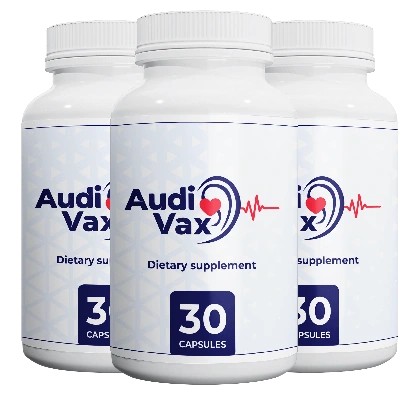
Skullcap is one of four calming botanicals in the once-daily AudiVax capsule, alongside circulatory hawthorn and adaptogens. The six-bottle bundle is the best value at $49 per bottle, with free U.S. shipping and a 60-day money-back guarantee.
Order AudiVax — from $49/bottleWhat does the evidence actually say about skullcap?
Here honesty is the whole point: the evidence for skullcap is promising but thin. Most of what supports its use is centuries of traditional practice plus a handful of small, early-stage studies pointing toward calming effects — enough to keep it in calming formulas, not enough to claim it treats or prevents a condition. The table below sorts the common talking points by how well each is backed.
| Claim about skullcap | Strength of evidence | Honest reading |
|---|---|---|
| Supports everyday calm / relaxation | Traditional use + small early studies | Best-supported role; the reason it is in AudiVax. |
| Helps you feel settled without sedation | Traditional use + preliminary reports | Consistent with nervine use; not a sleep drug. |
| Directly improves hearing or tinnitus | No credible evidence | Not a claim we make; it supports calm, not the ear. |
| Treats anxiety as a medical condition | Not established | A wellness support, not a treatment. |
In short, skullcap earns its spot as a calming botanical, not a hearing remedy — the difference between an honest supplement and an overreaching one, and the line AudiVax stays on the right side of.

How is skullcap used in AudiVax, and how much?
In AudiVax, skullcap is one botanical inside a calming complex rather than a stand-alone dose. It is combined with valerian, passionflower and chamomile so their overlapping calming roles support one another, then paired with circulatory hawthorn and the adaptogens rhodiola and ashwagandha. Because the calming herbs sit within a proprietary blend, the precise per-capsule figure for skullcap is listed on the Supplement Facts panel — the honest place to check any exact amount. Skullcap is the quieter partner to the best-studied nervine in the formula, covered in valerian root for hearing and ear health.
| Botanical in AudiVax | Group | Traditional role |
|---|---|---|
| Skullcap | Calming nervine | Supports calm; rounds out the relaxation blend. |
| Valerian | Calming nervine | Encourages relaxation and restful downtime. |
| Passionflower | Calming vine | Supports a settled, calm state. |
| Chamomile | Calming herb | A classic gentle relaxant for winding down. |
| Hawthorn | Circulatory herb | Supports healthy circulation. |
| Rhodiola / Ashwagandha | Adaptogens | Help the body meet everyday stress. |
For the current per-serving label, see the full ingredients section, or read our guide to calming herbs for ear comfort. For the wider routine skullcap fits into, see how to support healthy hearing naturally.
Is skullcap safe, and who should be cautious?
American skullcap is generally well tolerated at supplement amounts and has a long record of traditional daily use. Still, a few cautions apply. Talk to your doctor before using skullcap — or any calming supplement — if you are pregnant or nursing, taking sedatives, sleep or liver medications, or scheduled for surgery, since calming herbs can add to the effect of drugs that slow the nervous system. One historical note: some older cases of liver concern linked to “skullcap” products were traced to adulteration with an unrelated herb (germander), not to genuine Scutellaria lateriflora — a reason to choose a clearly labeled product. Always follow the label and keep supplements a complement to, not a replacement for, professional care.
How should you take skullcap for calm?
Because skullcap is valued for relaxation, the sensible pattern is to take it when calm is most welcome — for most people, the evening. AudiVax is built around this: a once-daily capsule many take with the evening meal, so its calming botanicals line up with the wind-down. A few practical points help:
- Pick a consistent time — ideally evening — and anchor it to something you already do, like dinner.
- Give it time. Botanicals build support gradually, so judge a routine over weeks, not days.
- Pair it with calm habits — dimmer lights, less late caffeine, a regular bedtime.
- Don’t double up. One capsule is the serving; more is not better with calming herbs.
Because a routine only helps while you stay on it, most people choose a multi-month supply. Compare packages and pricing on the homepage.
Frequently asked questions
What is skullcap herb used for?
American skullcap (Scutellaria lateriflora) is a traditional nervine used to support a calm, settled nervous system. AudiVax includes it to encourage everyday relaxation alongside other calming botanicals. It is a support to calm, not a treatment for any condition.
Is American skullcap the same as Chinese skullcap?
No. American skullcap (Scutellaria lateriflora) is the traditional nervine used for calm; Chinese skullcap (Scutellaria baicalensis) is a different species used mainly for its root. AudiVax uses the American, aerial-parts type associated with relaxation.
Does skullcap help with ear comfort or tinnitus?
Skullcap is not a treatment for tinnitus or any ear condition, and AudiVax makes no such claim. Because many people find ear comfort tracks with how calm and rested they feel, a nervine like skullcap is included to support that calm background — an indirect role, not a cure.
How much skullcap is in AudiVax?
Skullcap is one calming botanical within the AudiVax blend, dosed as part of a proprietary calming complex with valerian, passionflower and chamomile. The exact per-capsule amount is on the Supplement Facts panel — see the ingredients section on the homepage.
Is skullcap safe to take daily?
American skullcap is generally well tolerated in supplement amounts and has a long history of traditional daily use. Talk to your doctor first if you are pregnant, nursing, taking sedatives or liver medications, or scheduled for surgery. Follow the label and do not exceed the suggested serving.
When is the best time to take skullcap for calm?
Because skullcap is valued for relaxation, many people take it in the evening as part of a wind-down. AudiVax is a once-daily capsule most people take in the evening so its calming botanicals line up with the end of the day. Consistency matters more than exact timing, and results vary.
Check today’s AudiVax pricing →
AudiVax is a dietary supplement, not a treatment for any medical condition, including hearing loss or tinnitus. These statements have not been evaluated by the Food and Drug Administration. This product is not intended to diagnose, treat, cure or prevent any disease. Always consult a qualified healthcare professional about your individual needs.
References & further reading
- National Center for Complementary and Integrative Health (NCCIH). Herbs at a Glance. nccih.nih.gov/health/herbsataglance
- Brock C, et al. American Skullcap (Scutellaria lateriflora): a randomised, double-blind placebo-controlled crossover study of its effects on mood. PubMed. pubmed.ncbi.nlm.nih.gov/23878109
- National Library of Medicine, LiverTox. Skullcap. ncbi.nlm.nih.gov/books/NBK548446
- National Center for Complementary and Integrative Health (NCCIH). Valerian. nccih.nih.gov/health/valerian
- Examine.com. Passionflower (Passiflora incarnata). examine.com/supplements/passionflower
These references describe the ingredients and habits in general terms and do not constitute evidence that any product treats, cures or prevents any condition.
Keep reading: calming herbs for ear comfort · how to support healthy hearing naturally · best foods for hearing and ear health · back to the AudiVax blog · homepage.