Valerian root for hearing: the AudiVax ingredient guide
Valerian root for hearing refers to using Valeriana officinalis — a traditional calming nervine — to support the settled, well-rested nervous system in which everyday listening tends to feel most comfortable. Valerian does not improve, restore or treat hearing, and AudiVax makes no such claim; its role in the formula is to support calm and restful sleep, which are part of the wider picture of ear and hearing wellness.
Where valerian fits in AudiVax, in one place.
- What it is
- Valerian is a centuries-old calming herb (a “nervine”) traditionally used to encourage relaxation and restful sleep — not a hearing treatment.
- Why it is in AudiVax
- The auditory system is closely wired to the body’s stress and arousal circuits, so a calmer, better-rested baseline tends to make everyday listening feel easier.
- What the evidence shows
- Reviews find valerian is generally well tolerated and may help sleep quality, though the evidence is mixed — it is a support, not a cure.
- How to take it
- AudiVax is one capsule daily, most often taken in the evening because valerian supports relaxation; check the label for the exact dose.
Valerian is the lead calming botanical in AudiVax, and it is the ingredient people ask about most. This guide explains what valerian root actually is, what the research does and does not support, and the honest reason a hearing-wellness formula leans on a sleep-and-calm herb in the first place.

What is valerian root, exactly?
Valerian root is the underground part of Valeriana officinalis, a flowering perennial native to Europe and Asia and used as a calming remedy since ancient Greece and Rome. In herbal terms it is classed as a nervine — a plant traditionally taken to soothe the nervous system. Its root contains compounds, including valerenic acid and volatile oils, that researchers believe interact with GABA, one of the brain’s main calming signalling systems. That proposed mechanism is why valerian anchors the calming side of AudiVax.
Valerian is not a stimulant, a painkiller or a hearing medicine. It is a gentle, non-habit-forming botanical whose reputation across two millennia rests on one idea: helping a busy nervous system settle down.
What is valerian root used for?
Valerian root is used above all to encourage relaxation and support restful sleep. That is the through-line in both its traditional use and its modern study. The U.S. National Center for Complementary and Integrative Health notes that valerian is among the most common herbs taken for sleep, and that while some studies suggest it may help people fall asleep and rate their sleep as better, the overall body of evidence is inconsistent and of modest quality. In plain terms: many people find it helpful, the research is genuinely mixed, and it is best understood as a support for calm rather than a guaranteed sleep aid.
Beyond sleep, valerian is traditionally taken for everyday tension and restlessness, often paired with other calming herbs such as passionflower, chamomile and lemon balm. AudiVax follows exactly that traditional pattern, combining valerian with passionflower, chamomile and skullcap on the calming side of the blend.
| Use | Traditional / studied role | Strength of evidence |
|---|---|---|
| Restful sleep | Helping people fall asleep and rate sleep quality | Mixed / modest |
| Everyday calm | Soothing tension and restlessness | Traditional, limited modern data |
| Wind-down routines | Evening relaxation, often with other nervines | Traditional use |
| Hearing itself | No direct effect claimed | Not a hearing treatment |
Why is a calming herb in a hearing supplement?
A calming herb sits in a hearing-wellness formula because the ears do not work in isolation from the nervous system that reads them. The auditory pathway is wired closely to the brain’s stress and arousal circuits, which is why stress, poor sleep and a body on high alert can make everyday sounds feel sharper, louder or more intrusive — and why many people notice their ear comfort tracks with how rested they feel. Valerian’s job in AudiVax is not to touch the ear directly but to support the calm, settled baseline that makes ordinary listening feel easier.
This is an important honesty point. AudiVax does not claim that valerian — or any ingredient — reverses hearing loss or silences tinnitus. What it offers is support for the everyday conditions of calm and rest that surround comfortable hearing. If you want the fuller picture of how these pieces fit, our companion guide on supporting healthy hearing naturally walks through protection, circulation and sleep together.

What does the research on valerian actually say?
The research on valerian is best described as promising but unsettled. Randomised trials and systematic reviews of valerian for sleep and anxiety point in a generally favourable direction on tolerability while staying inconsistent on how much it truly helps. A frequently cited meta-analysis suggested valerian might improve subjective sleep quality without a reliable effect on objective measures; others stress that study sizes were small and methods varied. Independent analysis from Examine.com reaches a similar verdict: plausibly useful for some people, but not strong enough to promise results.
What the literature agrees on more clearly is safety. For short-term use in healthy adults, valerian is generally well tolerated, with side effects — when they occur — tending to be mild, such as daytime drowsiness. AudiVax presents valerian in that honest light: a well-studied, gentle nervine that supports calm and rest, not a proven cure for anything.
See the exact valerian dose in AudiVax →
How does valerian work with the other AudiVax botanicals?
Valerian works best as part of a stack, and AudiVax is built around that principle. Traditional herbalism rarely uses a nervine alone; it layers calming herbs with circulatory and adaptogenic ones so the routine supports both a settled mind and a well-nourished body. In AudiVax, valerian leads a calming group with passionflower, chamomile and skullcap, then sits alongside circulatory hawthorn and the adaptogens rhodiola and ashwagandha.

| Botanical | Category | Role in the blend |
|---|---|---|
| Valerian | Calming nervine (lead) | Supports relaxation and restful sleep. |
| Passionflower | Calming vine | Traditionally supports a calm, settled state. |
| Chamomile | Gentle nervine | Long used for evening wind-down. |
| Skullcap | Calming herb | Traditionally taken to ease everyday tension. |
| Hawthorn | Circulatory herb | Supports healthy circulation the ears rely on. |
| Rhodiola / Ashwagandha | Adaptogens | Support a calm response to daily stress. |
The logic is simple: calm the nervous system, support circulation, and help the body meet daily stress — three angles on the same everyday-wellness goal. You can see how each piece is dosed in the full ingredients section, or read our broader guide to calming herbs for ear comfort.
Valerian, dosed for daily use
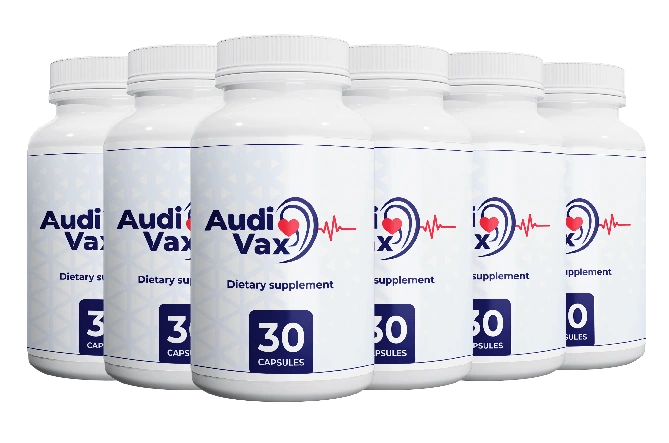
AudiVax is a once-daily capsule that pairs valerian with passionflower, chamomile, skullcap, hawthorn and adaptogens. The six-bottle bundle is the best value at $49 per bottle, with free U.S. shipping and a 60-day guarantee.
Check today’s AudiVax pricing — from $49/bottleHow do you take valerian for the best support?
The best way to take valerian is consistently and in the evening, because its relaxing character suits the wind-down hours. In AudiVax that means one capsule a day, ideally an hour or two before bed, taken at the same time so it becomes automatic. Valerian is traditionally used as part of a routine rather than a one-off, and most people give it a few weeks before judging how it fits.
What should you expect, and when?
Expect a gentle, gradual effect rather than a switch. Some people notice a calmer, more sleep-friendly evening within a few days, while a steadier baseline builds over two to four weeks of daily use. Because botanicals work gradually, most people choose a multi-month supply so they do not run out mid-routine — compare the packages and pricing on the homepage.
Who should be cautious with valerian?
Valerian can add to the effect of sedatives, sleep medicines and alcohol, so it is sensible to keep those in mind. Its safety in pregnancy and breastfeeding is not established, and anyone on prescription medication or with a health condition should talk to a qualified healthcare professional before starting. Because valerian may cause mild drowsiness in some people, take your first few doses when you are not about to drive.
When should you see a professional instead?
Valerian and a calm routine support everyday wellness, but they are not a substitute for care. See an audiologist or doctor promptly if you notice sudden or one-sided hearing change, ear pain, persistent ringing (tinnitus), dizziness or drainage. A hearing test is quick, painless and the best way to know where you stand. AudiVax is a daily wellness habit, not a treatment for any of these conditions.
Frequently asked questions
Does valerian root improve hearing?
No. Valerian root does not improve, restore or treat hearing, and AudiVax makes no such claim. Valerian is a traditional calming nervine studied mainly for relaxation and sleep quality; in AudiVax its role is to support the calm, well-rested body in which everyday listening tends to feel most comfortable.
What is valerian root used for?
Valeriana officinalis has been used for centuries to encourage relaxation and support restful sleep. Modern reviews find it is generally well tolerated, though the strength of evidence for sleep is mixed. It is a support for calm and rest, not a treatment for any medical condition.
Why is valerian in a hearing supplement like AudiVax?
The auditory system is closely wired to the parts of the nervous system that handle stress and arousal, so many people find everyday ear comfort tracks with how calm and rested they feel. Valerian is included in AudiVax as a traditional calming nervine to support that settled baseline, alongside circulatory hawthorn and adaptogens.
How much valerian is in AudiVax and when do I take it?
AudiVax is a once-daily capsule that combines valerian with other calming and circulatory botanicals; the exact per-serving amounts are listed on the Supplement Facts panel. Because valerian supports relaxation, most people take their capsule in the evening. Check the label for the current formula and dose.
Is valerian root safe?
Valerian is generally considered well tolerated for short-term use, with mild effects such as drowsiness reported by some people. It may add to the effect of sedatives or alcohol, and safety in pregnancy is not established. Talk to a qualified healthcare professional before combining it with medication.
How long does valerian take to work?
Some people notice a calming, sleep-friendly effect within a few evenings, while a steadier baseline builds over two to four weeks of consistent use. Botanicals build their support gradually and individual results vary.
Try AudiVax risk-free for 60 days →
AudiVax is a dietary supplement, not a treatment for any medical condition, including hearing loss or tinnitus. These statements have not been evaluated by the Food and Drug Administration. This product is not intended to diagnose, treat, cure or prevent any disease. Always consult a qualified healthcare professional about your individual needs.
References & further reading
- National Center for Complementary and Integrative Health (NCCIH). Valerian. nccih.nih.gov/health/valerian
- Bent S, et al. Valerian for sleep: a systematic review and meta-analysis. PubMed / U.S. National Library of Medicine. pubmed.ncbi.nlm.nih.gov/17145239
- Examine.com. Valerian (Valeriana officinalis). examine.com/supplements/valerian
- MedlinePlus, U.S. National Library of Medicine. Valerian. medlineplus.gov/druginfo/natural/870.html
- National Institute on Deafness and Other Communication Disorders (NIDCD). Tinnitus. nidcd.nih.gov/health/tinnitus
These references describe the ingredient and habits in general terms and do not constitute evidence that any product treats, cures or prevents any condition.
Keep reading: calming herbs for ear comfort · how to support healthy hearing naturally · the AudiVax review · back to the AudiVax blog.