Best foods and nutrients for ear and hearing health: the AudiVax list
There is no single food that sharpens hearing, and AudiVax makes no such claim. What a good diet can do is support the healthy circulation and antioxidant balance the delicate inner ear depends on — and the foods that do that are the same whole, colourful, minimally processed ones that support the rest of you. This guide sorts them into simple groups, names the nutrients most discussed for ear wellness, and shows a sample balanced day.
The fastest route to an ear-friendly plate, in one place.
- The principle
- Eat for healthy circulation and antioxidant balance, because that is the environment the inner ear lives in.
- Star foods
- Leafy greens, oily fish, nuts and seeds, colourful fruit and vegetables, beans and whole grains.
- Key nutrients
- Omega-3 fats, folate and B vitamins, magnesium, potassium, zinc, and antioxidant vitamins C and E.
- Foods to limit
- Excess added sugar, refined carbohydrates, heavy sodium and heavy alcohol — the same list that challenges circulation.
- Where AudiVax fits
- It adds circulatory hawthorn and calming herbs to a good diet; it is a support, not a treatment.
Think of the inner ear as a high-maintenance neighbourhood at the end of a long supply line. It is fed by tiny blood vessels and staffed by cells that never regrow, so it rewards a diet that keeps the supply line healthy and the oxidative wear-and-tear in check. Below are the food groups that do exactly that, and where a botanical formula like AudiVax fits alongside them.
Which nutrients are most discussed for ear wellness?
You do not need to chase individual nutrients if you eat a varied diet — but it helps to know why certain foods keep appearing. Here are the ones nutrition researchers most often connect with circulation, nerve health and antioxidant balance. The reason so many of these nutrients are framed around the vascular system is explained in our guide to how blood flow affects your hearing.
| Nutrient | Why it is discussed | Everyday food sources |
|---|---|---|
| Omega-3 fats | Support healthy circulation and nerve tissue | Salmon, sardines, mackerel, walnuts, flax, chia |
| Folate & B vitamins | Involved in healthy nerve function | Leafy greens, beans, lentils, eggs, whole grains |
| Magnesium | Discussed in noise and nerve research | Spinach, pumpkin seeds, almonds, black beans |
| Potassium | Fluid balance the inner ear relies on | Bananas, potatoes, oranges, yoghurt, avocado |
| Zinc | Supports the immune system and cells | Oysters, beef, chickpeas, cashews, seeds |
| Vitamins C & E | Antioxidants that counter oxidative wear | Citrus, peppers, berries, nuts, seeds |
What are the best food groups to build meals around?
1. Leafy greens and colourful vegetables
Spinach, kale, broccoli and brightly coloured peppers deliver folate, magnesium and a spread of antioxidants for very few calories. Aim to make half your plate vegetables, leaning on colour and variety.
2. Oily fish and plant omega-3s
Salmon, sardines and mackerel are the headline sources of omega-3 fats that support healthy circulation; walnuts, flax and chia cover the plant side. Two servings of fish a week is a common, sensible target.

3. Nuts, seeds and legumes
Almonds, pumpkin seeds, chickpeas and lentils bundle magnesium, zinc, fibre and plant protein into one handful or spoonful. They make ideal snacks and easy additions to salads and bowls.
4. Colourful fruit and berries
Oranges, kiwi, berries and other bright fruit supply vitamin C and a range of plant antioxidants. Whole fruit beats juice, because the fibre slows sugar release — a small win for the circulation your ears share.
5. Whole grains and beans
Oats, barley, quinoa, brown rice and beans provide steady energy, fibre and B vitamins. Swapping refined flour for intact grains is one of the simplest upgrades you can make.
6. Circulatory botanicals like hawthorn
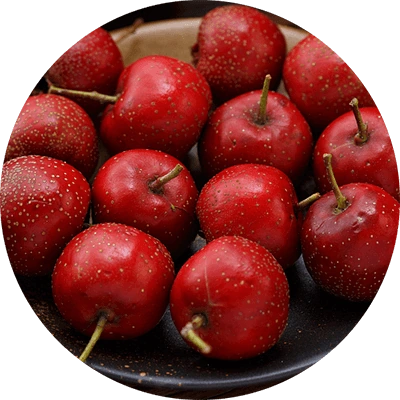
Beyond everyday groceries, some traditional foods have long been used specifically for circulation. Hawthorn — a hedgerow berry — is the classic example, and it appears in AudiVax alongside calming herbs and adaptogens.
See how AudiVax complements your plate →
What does an ear-friendly day look like?
Nothing exotic — just a colourful, whole-food pattern you can keep. Here is one simple example.
| Meal | Example | Why it helps |
|---|---|---|
| Breakfast | Oats with berries, walnuts and yoghurt | Fibre, omega-3s, antioxidants and potassium |
| Lunch | Big salad with chickpeas, spinach and olive oil | Folate, magnesium, zinc and healthy fats |
| Snack | An orange and a handful of almonds | Vitamin C and E plus magnesium |
| Dinner | Baked salmon, quinoa and roasted vegetables | Omega-3s, B vitamins and a rainbow of antioxidants |
| Evening | Herbal tea and a calm wind-down | Supports the restful downtime the ears appreciate |
Round out a good diet
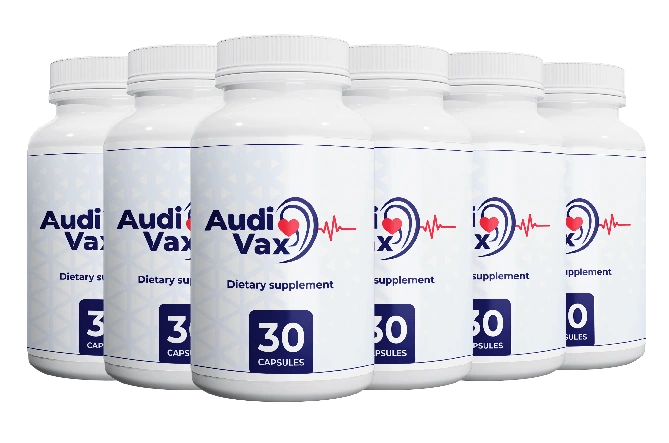
AudiVax adds circulatory hawthorn, calming botanicals and adaptogens to a nutrient-rich routine, in one daily capsule. The six-bottle bundle is the best value at $49 per bottle, with free U.S. shipping and a 60-day guarantee.
Order AudiVax — from $49/bottleWhich foods are worth limiting?
The pattern that challenges circulation challenges the ears too. You do not need to be perfect — just mindful of very high intakes of added sugar and refined carbohydrates, heavy sodium, and more than moderate alcohol. Building meals around the groups above naturally crowds these out, which is easier than trying to ban anything.
Where do supplements fit?
Food first, always. A varied, colourful diet is the foundation, and it delivers nutrients in the packages nature intended. Supplements can help fill gaps or add traditionally used botanicals — like the hawthorn and calming herbs in AudiVax — but they are a complement to the plate, not a replacement for it, and never a treatment for any condition. For the botanical side of the story, see our guide to calming herbs for ear comfort.
Frequently asked questions
Can food improve my hearing?
No food can restore lost hearing. But a diet built around circulation-friendly, antioxidant-rich whole foods supports the healthy cardiovascular system the ears depend on, and it is a sensible part of everyday ear wellness.
Which nutrients are most linked with ear health?
Nutrition researchers most often discuss omega-3 fats, folate and B vitamins, magnesium, potassium, zinc, and antioxidant vitamins such as C and E — all obtainable from a varied whole-food diet.
Are there foods to limit for ear wellness?
The same pattern that challenges circulation challenges the ears: very high intakes of added sugar, refined carbohydrates, excess sodium and heavy alcohol. Moderation, not perfection, is the goal.
Does hawthorn have a role here?
Hawthorn is a hedgerow berry with a long traditional history in supporting healthy circulation. It appears in AudiVax alongside calming herbs and adaptogens, and it is a support to a healthy diet, not a treatment.
How quickly does diet help?
Diet works over the long term. Circulation and overall wellness respond to a consistent pattern of eating across weeks and months rather than to any single meal, and results vary.
Do I still need supplements or a professional?
A varied diet comes first; supplements can fill gaps or add traditionally used botanicals. Neither replaces professional care — see a qualified professional for any sudden or persistent hearing change.
Try AudiVax risk-free for 60 days →
AudiVax is a dietary supplement, not a treatment for any medical condition, including hearing loss or tinnitus. These statements have not been evaluated by the Food and Drug Administration. This product is not intended to diagnose, treat, cure or prevent any disease. Always consult a qualified healthcare professional about your individual needs.
References & further reading
- National Institutes of Health, Office of Dietary Supplements. Omega-3 Fatty Acids — Fact Sheet. ods.od.nih.gov/factsheets/Omega3FattyAcids-HealthProfessional
- National Institutes of Health, Office of Dietary Supplements. Magnesium — Fact Sheet. ods.od.nih.gov/factsheets/Magnesium-HealthProfessional
- Examine.com. Hawthorn (Crataegus). examine.com/supplements/hawthorn
- Yévenes-Briones H. et al. Diet quality and the risk of impaired speech reception threshold in noise: the UK Biobank cohort. Ear and Hearing, 2022.
- National Center for Complementary and Integrative Health (NCCIH). Antioxidants. nccih.nih.gov/health/antioxidants-in-depth
These references describe nutrients and foods in general terms and do not constitute evidence that any product treats, cures or prevents any condition.
Keep reading: how to support healthy hearing naturally · calming herbs for ear comfort · back to the AudiVax blog · homepage.