How to improve ear circulation naturally: the AudiVax guide
To improve ear circulation naturally means supporting the healthy blood flow the inner ear depends on — through regular movement, circulation-friendly foods, not smoking and calmer, better-rested days — rather than targeting the ear in isolation. You cannot pump blood to one organ on demand, but you can support the whole cardiovascular system your ears sit inside, and a hawthorn-based capsule like AudiVax is one small, optional part.
You cannot send blood to the ears on demand, but you can support the circulation the inner ear depends on by supporting your whole cardiovascular system. The highest-leverage moves are everyday ones, and a hawthorn-based capsule like AudiVax is one small, optional part of that routine.
- Biggest levers
- Regular aerobic movement, not smoking, healthy blood pressure and good hydration.
- Foods that help
- Leafy greens and beets (nitrates), oily fish (omega-3s), berries and dark chocolate (flavonoids), nuts and olive oil.
- Where AudiVax fits
- Hawthorn is traditionally used to support healthy circulation; AudiVax pairs it with calming botanicals as a daily habit, not a treatment.
- Timeframe
- A walk warms you immediately; fitness and vascular changes build over weeks to months, and results vary.
The good news is that almost everything that helps your heart and blood vessels helps the fine circulation your ears rely on. This guide walks through the daily habits, foods and movement that support blood flow to the ears, and shows where a botanical formula like AudiVax fits. Our companion guide on how to support healthy hearing naturally covers protection and sleep.

Why does blood flow to the ears matter?
Blood flow to the ears matters because the inner ear is fed by one of the finest, most vulnerable vascular beds in the body, and its sensory hair cells have almost no spare supply to fall back on. Because the network feeding them is so small, the inner ear is thought to be sensitive to changes in circulation — one reason researchers keep finding links between cardiovascular health and hearing health. The anatomy behind that dependence is set out in detail in how blood flow affects your hearing.
It is worth being honest about that evidence. Studies link heart and vessel health with hearing over time, but association is not proof of cause, and circulation is only one factor among many, including noise, genetics and age. The sensible takeaway is not that better circulation restores hearing — it will not — but that supporting healthy blood flow is a reasonable, low-risk part of everyday ear wellness.
What daily habits support inner ear circulation?
The habits that support inner ear circulation are the same ones cardiologists recommend for the whole body, because the ear cannot be isolated from the system that feeds it. A few levers do most of the work, and they stack.
Does movement really improve circulation?
Regular aerobic movement is the single most reliable way to support healthy circulation, and it is the habit with the most leverage here. Brisk walking, cycling, swimming and gardening all raise your heart rate enough to support the cardiovascular system that feeds every tissue, ears included. Most guidance points to about 150 minutes of moderate activity a week, roughly a 20-to-30-minute walk, and breaking up long sitting helps too.

Why does not smoking matter so much?
Not smoking is one of the highest-return choices you can make for circulation of any kind. Tobacco smoke works directly against healthy blood flow and vessel function, and research has repeatedly associated smoking with poorer hearing outcomes. If you smoke, quitting is the circulation habit with the biggest upside, and your doctor or national quit lines can help.
Do blood pressure, hydration and stress play a role?
Keeping blood pressure in a healthy range, staying hydrated and lowering everyday stress all support steadier circulation. High blood pressure strains the small vessels that fine tissues like the inner ear depend on, so knowing your numbers is worthwhile. Mild dehydration thickens the blood, so ordinary hydration helps, and because chronic stress keeps the cardiovascular system on higher alert, simple decompression — a walk, slow breathing, time outdoors — supports a calmer baseline.
See the exact dose in AudiVax →
Which foods support blood flow to the ears?
The foods that support blood flow to the ears are simply the foods that support healthy circulation everywhere, because no single ingredient targets the ear on its own. A circulation-friendly plate leans on a handful of well-studied, inexpensive groups, sorted below by what they contribute.
| Food group | Key compounds | Why it is discussed for circulation |
|---|---|---|
| Leafy greens & beets | Dietary nitrates | The body converts dietary nitrates into nitric oxide, which is involved in normal blood-vessel relaxation. |
| Oily fish | Omega-3 fatty acids | Long studied as part of a heart-healthy pattern that supports the cardiovascular system. |
| Berries & dark chocolate | Flavonoids & polyphenols | Plant compounds associated with healthy vascular function in general research. |
| Nuts, seeds & olive oil | Unsaturated fats | Core of Mediterranean-style eating, widely linked with cardiovascular wellness. |
None of these is a cure, and the honest framing is a pattern, not a magic food: a plate built mostly around vegetables, whole grains, legumes, oily fish, nuts and olive oil supports the whole system your ears depend on. Our guide to the best foods for hearing and ear health covers the nutrient side of the same story.

Where do botanicals and AudiVax fit?
Botanicals are a support to circulation-friendly habits, not a substitute, and never a treatment for any condition. Within that frame, a few plants have a long history in the circulation and calm conversation, and several appear in AudiVax. Hawthorn is the headline: it has been used traditionally for generations to support healthy circulation, which is why it anchors the formula. Alongside it, calming botanicals such as valerian, passionflower, chamomile and skullcap are traditionally used to support a settled nervous system, while adaptogens like rhodiola and ashwagandha help the body meet everyday stress.

AudiVax brings these together in one once-daily capsule so the supplement step is simple to keep. Be clear about the evidence: the ear-specific research on these botanicals is limited, and their traditional roles describe general circulation and calm, not hearing outcomes. That is why they belong at the end of the list, after movement, not smoking, healthy blood pressure and a circulation-friendly plate. Read the full ingredients section or our guide to calming herbs for ear comfort.
Make circulation support a daily habit
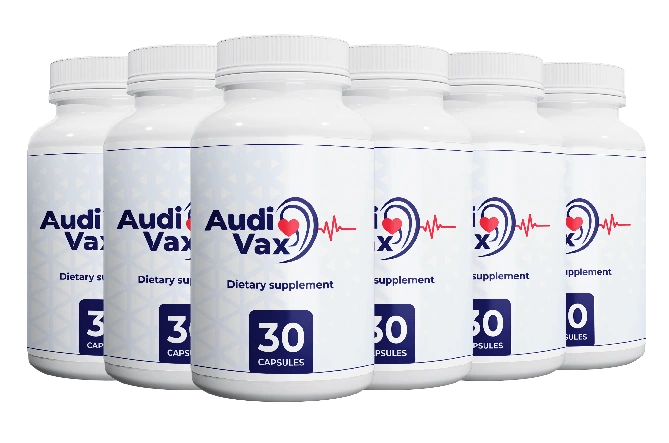
AudiVax is a once-daily capsule combining circulatory hawthorn with calming botanicals and adaptogens. The six-bottle bundle is the best value at $49 per bottle, with free U.S. shipping and a 60-day guarantee.
Check today’s AudiVax pricing — from $49/bottleHow do you build a simple circulation routine?
The best routine is the one you will actually keep, so rather than overhauling everything at once, stack one small habit at a time until each feels automatic:
- Take a daily walk — 20 to 30 minutes is the highest-leverage habit.
- Break up long sitting with a two-minute move every hour.
- Build a circulation-friendly plate around greens, oily fish, berries, nuts and olive oil.
- Stay hydrated and keep alcohol moderate.
- Know your blood pressure and work with your doctor to keep it healthy.
- Take AudiVax at the same time daily — one capsule, ideally in the evening.
How fast do circulation habits work? An at-a-glance table
A “fast” habit is one you feel the moment you do it; a “slow” habit reshapes your baseline over weeks. This table sorts the core habits by how quickly they help and how much effort they ask.
| Habit | Typical time to notice | Everyday effort |
|---|---|---|
| Brisk walk or aerobic movement | Immediate warmth; fitness over weeks | Low |
| Break up long sitting | Immediate | Low |
| Stay hydrated | Same day | Low |
| Circulation-friendly eating | Weeks to months | Medium |
| Healthy blood pressure | Weeks to months | Medium |
| Quitting smoking | Weeks to years, starting fast | Higher |
Consistency turns any of these into a steadier month. Botanicals build their support gradually, so most people choose a multi-month supply — compare the packages and pricing on the homepage.
When should you see a professional?
Circulation-friendly habits support everyday ear wellness; they are not a replacement for care, and no food or supplement can address a circulatory or hearing problem on its own. See an audiologist or doctor promptly for sudden or one-sided hearing change, ear pain, persistent ringing (tinnitus), dizziness or drainage — sudden hearing loss is a medical urgency. If you have high blood pressure, diabetes or heart concerns, work those with your physician, and ask before starting any new supplement. AudiVax is a daily wellness habit, not a treatment for any of these.
Frequently asked questions
How can I improve ear circulation naturally?
Support ear circulation the way you support circulation everywhere: regular aerobic movement, not smoking, healthy blood pressure, good hydration and circulation-friendly foods such as leafy greens, oily fish and berries. Botanicals like hawthorn are traditionally used to support healthy circulation.
Why does blood flow to the ears matter?
The inner ear is fed by one of the finest networks of blood vessels in the body, and its sensory cells have almost no reserve supply. Steady blood flow helps deliver the oxygen and nutrients they rely on, which is why circulation-supporting habits are part of everyday ear wellness.
What foods support inner ear circulation?
Foods linked with healthy circulation include leafy greens and beets (nitrates), oily fish (omega-3s), berries and dark chocolate (flavonoids), nuts and olive oil. No single food targets the ear, but the pattern supports the whole cardiovascular system, ears included.
Does hawthorn help with ear circulation?
Hawthorn has a long traditional history of supporting healthy circulation, which is why it appears in AudiVax. It is not a treatment for hearing loss, tinnitus or any circulatory condition, and ear-specific evidence is limited. Treat it as a support, not a substitute.
How long does it take to improve circulation?
Some effects, such as the warmth of a brisk walk, are immediate, while broader changes in fitness, blood pressure and vascular health build over weeks to months. Botanicals build their support gradually, and individual results vary.
Can poor circulation cause hearing problems?
Research links cardiovascular health with hearing, and the inner ear is sensitive to blood supply, but circulation is only one factor and correlation is not proof of cause. See a professional promptly for sudden hearing change, one-sided loss, ringing or dizziness.
Try AudiVax risk-free for 60 days →
AudiVax is a dietary supplement, not a treatment for any medical condition, including hearing loss, tinnitus or any circulatory condition. These statements have not been evaluated by the Food and Drug Administration. This product is not intended to diagnose, treat, cure or prevent any disease. Always consult a qualified healthcare professional.
References & further reading
- National Institute on Deafness and Other Communication Disorders (NIDCD). Age-Related Hearing Loss. nidcd.nih.gov/health/age-related-hearing-loss
- National Center for Complementary and Integrative Health (NCCIH). Hawthorn. nccih.nih.gov/health/hawthorn
- Mayo Clinic. Exercise: 7 benefits of regular physical activity. mayoclinic.org/healthy-lifestyle/fitness
- Curhan S.G. et al. Body mass index, waist circumference, physical activity, and risk of hearing loss in women. The American Journal of Medicine, 2013.
- Examine.com. Dietary nitrate and blood flow. examine.com/supplements/nitrate
- Harvard T.H. Chan School of Public Health. The Nutrition Source: Healthy Eating Plate. hsph.harvard.edu/nutritionsource/healthy-eating-plate
These references describe the ingredients and habits in general terms and are not evidence that any product treats, cures or prevents any condition.
Keep reading: how to support healthy hearing naturally · the best foods for hearing and ear health · the AudiVax review · back to the AudiVax blog.