Adaptogens vs nervine herbs for ears: how AudiVax uses both
Adaptogens and nervine herbs are two different families of calming botanicals: a nervine acts directly on the nervous system to soothe or relax in the moment, while an adaptogen helps the whole body adapt to stress more evenly over weeks. Neither treats hearing or tinnitus, but both are part of the calm, well-regulated routine that everyday ear wellness rests on — and AudiVax deliberately combines the two.
Adaptogens vs nervine herbs, honestly compared.
- Nervine, in a line
- An herb that calms the nervous system in the moment — valerian, passionflower, chamomile, skullcap. Think evening wind-down.
- Adaptogen, in a line
- An herb that helps the body meet ongoing stress more steadily over time — rhodiola, ashwagandha. Think baseline resilience.
- The honest caveat
- Neither family treats hearing loss or tinnitus. The evidence is strongest for stress, sleep and calm — not for the ears directly.
- Why combine them
- They work on different timelines, so pairing immediate calm with slow-build resilience is a natural fit — which is exactly what AudiVax does.
If you have compared calming supplements, you have probably met both words without a clear line between them. This guide draws that line in plain language, sets the two families side by side, and shows where a blended formula like AudiVax fits — without overstating what any herb can do.

What is a nervine herb?
A nervine is a herb traditionally used to act on the nervous system itself, calming or gently soothing it in the short term. Herbalists have leaned on nervines for centuries as the “evening” herbs: the ones taken to unwind, settle a busy mind and ease into rest. Their effect is felt closer to the same day — often within hours — which makes them the natural choice when the goal is immediate calm rather than long-term change. Valerian, passionflower, chamomile and skullcap are the best-known examples, and all four appear in AudiVax.

Which herbs count as nervines?
Nervines are usually the herbs people reach for at night. Valerian is the archetype, with a long folk history around restful downtime; passionflower is the gentle vine taken to quiet a racing mind; chamomile is the mild, everyday cup; and skullcap is the classic North American calming herb. What unites them is a traditional reputation for in-the-moment relaxation rather than any claim to reshape how the body handles stress over months.
What is an adaptogen?
An adaptogen is a herb traditionally used to help the body adapt to stress more evenly, buffering the highs and lows rather than sedating in the moment. The term dates to mid-20th-century research and is applied to botanicals thought to support a steadier stress response and more stable everyday energy. Unlike nervines, adaptogens are described as building their effect gradually — typically over weeks of consistent use — which is why they are framed around resilience and baseline rather than a single calming dose. Rhodiola and ashwagandha are the two adaptogens in AudiVax. Rhodiola rosea is the textbook example, and our guide to rhodiola rosea benefits sets out which of those claims human trials actually support.

How do adaptogens differ from stimulants or sedatives?
An adaptogen is meant to normalise rather than push in one direction: the idea is support toward balance, not a jolt of energy or a wave of drowsiness. That is the practical difference from a nervine, which leans toward calm, and from a stimulant, which leans toward alertness. In everyday language, nervines help you settle tonight, while adaptogens aim to help the coming weeks feel less spiky — a distinction worth keeping in mind when you read a supplement label.
Adaptogens vs nervine herbs: what is the core difference?
The core difference is timing and target: nervines act on the nervous system quickly for short-term calm, while adaptogens act on the whole stress system slowly for longer-term steadiness. One is a tonight herb; the other is a this-season herb. The table below sets the two families side by side on the points people actually compare.
| Nervine herbs | Adaptogens | |
|---|---|---|
| Main idea | Calm the nervous system now | Adapt to stress over time |
| Typical timeline | Same day / evening | Two to eight weeks |
| Best-known role | Relaxation, wind-down, rest | Resilience, steadier energy |
| Classic examples | Valerian, passionflower, chamomile, skullcap | Rhodiola, ashwagandha, holy basil |
| When people take them | Evening, before rest | Morning or with a routine, daily |
| In AudiVax | Valerian, passionflower, chamomile, skullcap | Rhodiola, ashwagandha |
Notice the categories are not rivals so much as different tools. That is why blended calming formulas rarely pick one camp — they layer a fast nervine on top of a slow adaptogen, which is the pattern our guide to calming herbs for ear comfort walks through in more depth.

See the exact dose in AudiVax
AudiVax is a once-daily capsule that pairs four calming nervines with two stress-adaptogens and circulatory hawthorn — no guesswork on ratios. The six-bottle bundle is the best value at $49 per bottle, with free U.S. shipping and a 60-day guarantee.
Check today's AudiVax pricing — from $49/bottleWhere does the ear connection actually come in?
The honest answer is indirect: no adaptogen or nervine has been shown to treat hearing loss or tinnitus, so the connection runs through stress, sleep and calm rather than the ear itself. The auditory system is wired closely to the parts of the nervous system that handle stress and arousal, and many people report that everyday ear comfort tracks with how rested and settled they feel. That is the lane these herbs sit in: supporting the calm, well-regulated background that comfortable listening prefers — not acting on the ear as a treatment.
This is where precision matters. A nervine may help an evening feel calmer; an adaptogen may help a stressful stretch feel less relentless. Neither is a therapy for a hearing condition, and any product claiming otherwise is overreaching. For the wider picture, our guide on supporting healthy hearing naturally sets these botanicals alongside protection, circulation and sleep.

How does AudiVax combine nervines and adaptogens?
AudiVax combines both families on purpose, layering fast-acting nervines over slow-building adaptogens so the two timelines complement rather than compete. In one daily capsule it pairs the nervines valerian, passionflower, chamomile and skullcap with the adaptogens rhodiola and ashwagandha, and adds hawthorn — a circulatory tonic that belongs to neither camp — to round out an everyday ear-wellness routine. The logic mirrors how many herbalists build a blend: something for tonight, something for the season.
| Ingredient | Family | Traditional role in the blend |
|---|---|---|
| Valerian | Nervine | Encourages relaxation and restful downtime. |
| Passionflower | Nervine | Traditionally taken to quiet a busy mind. |
| Chamomile | Nervine | A mild, everyday calming botanical. |
| Skullcap | Nervine | Classic calming herb for evening wind-down. |
| Rhodiola | Adaptogen | Used for a steadier response to stress and energy. |
| Ashwagandha | Adaptogen | Valued for a calm response to daily stress. |
| Hawthorn | Circulatory tonic | Long used to support healthy circulation. |
You could assemble these separately, but matching sensible amounts and taking seven items daily is where most routines fall apart. A single blended capsule is simply the practical version — see the exact line-up in the full ingredients section or read our complete AudiVax review.
Which should you take, and when?
If your aim is help settling in the evening, a nervine leads; if it is a steadier baseline through a demanding stretch, an adaptogen leads; if it is both, a combined formula saves the juggling. Because adaptogens build gradually, most people take a blend at the same time daily and judge it over several weeks rather than a single night — which is why a multi-month supply tends to make sense.
Both families, one daily capsule
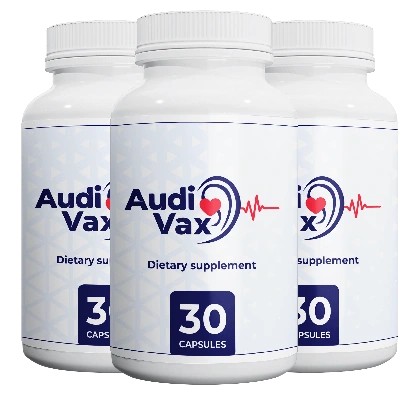
Rather than buying valerian, passionflower, rhodiola and ashwagandha separately, AudiVax puts nervines and adaptogens together in a once-daily capsule with a 60-day money-back guarantee.
Check today's AudiVax pricing →How strong is the evidence, honestly?
The evidence is real but modest, and strongest for stress, sleep and calm rather than for hearing. Adaptogens such as ashwagandha and rhodiola have human studies pointing to stress and fatigue support, and nervines such as valerian have a long tradition and some sleep-related research, though study quality varies. Crucially, almost none of this work is about the ears — the ear-wellness rationale is indirect, and fair to call supportive context rather than proof. That is the honest framing AudiVax stands on, and why it is positioned as a daily wellness habit, not a remedy.
Frequently asked questions
What is the difference between an adaptogen and a nervine?
A nervine acts directly on the nervous system to soothe or relax in the moment, while an adaptogen helps the body adapt to stress more evenly over time. Nervines are about immediate calm; adaptogens are about steadier resilience across weeks. The two families work on different timelines and pair naturally.
Are adaptogens or nervine herbs better for calm?
Neither is simply better — they do different jobs. Nervines such as valerian, passionflower, chamomile and skullcap are traditionally used for in-the-moment relaxation, while adaptogens such as rhodiola and ashwagandha are used to support a steadier response to ongoing stress. Many formulas, including AudiVax, combine both.
Which herbs are nervines and which are adaptogens?
Common nervines include valerian, passionflower, chamomile and skullcap. Common adaptogens include rhodiola, ashwagandha, holy basil and ginseng. Hawthorn is usually classed as a circulatory tonic rather than either. AudiVax uses valerian, passionflower, chamomile and skullcap as nervines, plus rhodiola and ashwagandha as adaptogens.
Do adaptogens or nervines help with hearing or tinnitus?
No herb treats hearing loss or tinnitus, and AudiVax makes no such claim. These botanicals are traditionally used to support calm and a steadier stress response, which are part of everyday ear-wellness routines, not a therapy for any condition. See a professional for hearing changes or persistent ringing.
Can you take adaptogens and nervines together?
They are commonly combined, since they act on different timelines — nervines for immediate calm, adaptogens for longer-term resilience. AudiVax pairs both in one daily capsule. As with any supplement, check with a pharmacist or doctor if you take medication, are pregnant or nursing, or have a health condition.
How long do adaptogens take to work compared with nervines?
Nervines are traditionally felt closer to the same day or evening you take them, while adaptogens are usually described as building over two to eight weeks of consistent use. Individual results vary, and both are best judged over a steady multi-week routine rather than a single dose.
See the exact dose in AudiVax — risk-free 60 days →
AudiVax is a dietary supplement, not a treatment for any medical condition, including hearing loss or tinnitus. These statements have not been evaluated by the Food and Drug Administration. This product is not intended to diagnose, treat, cure or prevent any disease. Always consult a qualified healthcare professional about your individual needs.
References & further reading
- National Center for Complementary and Integrative Health (NCCIH). Ashwagandha. nccih.nih.gov/health/ashwagandha
- National Center for Complementary and Integrative Health (NCCIH). Valerian. nccih.nih.gov/health/valerian
- Examine.com. Rhodiola rosea. examine.com/supplements/rhodiola-rosea
- Examine.com. Ashwagandha (Withania somnifera). examine.com/supplements/ashwagandha
- Panossian A., Wikman G. Effects of adaptogens on the central nervous system and the molecular mechanisms associated with their stress-protective activity. Pharmaceuticals (Basel), 2010.
- National Center for Complementary and Integrative Health (NCCIH). Passionflower. nccih.nih.gov/health/passionflower
These references describe the ingredients in general terms and do not constitute evidence that any product treats, cures or prevents any condition.
Keep reading: calming herbs for ear comfort · how to support healthy hearing naturally · best foods for hearing and ear health · back to the AudiVax blog · homepage.