How to protect your hearing every day: the AudiVax daily routine
To protect your hearing every day means building a handful of small, repeatable habits — moderate volume, listening breaks, ear protection in loud places, and a calm, well-rested body — that lower the avoidable stress reaching your ears. It is prevention first, because the delicate hair cells inside the ear do not grow back, and it works alongside, not instead of, sensible hearing protection and the guidance of a qualified professional.
How to protect your hearing every day, in one place.
- The one rule
- Most everyday hearing damage is caused by noise, and noise is the most preventable stress on your ears — so protect against it first.
- At home & on headphones
- Keep personal audio near or below 60 percent, use noise-isolating over-ear headphones, and take a listening break every hour.
- Out in the world
- Carry foam or filtered earplugs for concerts, power tools and sporting events; if you must raise your voice to be heard, protect your ears or step away.
- The supporting cast
- Good sleep, regular movement and lower everyday stress support the calm, well-circulated body your ears rely on.
- Where AudiVax fits
- A once-daily capsule of calming and circulatory botanicals can support the routine — it is not a treatment for hearing loss or tinnitus.
Modern life is loud in ways it never used to be, and none of it is going away — so the practical question is not how to escape noise but how to protect your hearing every day inside it. This guide walks through the everyday ear-care habits with the most leverage, then shows where a botanical formula like AudiVax can play a quiet supporting role.

What does it mean to protect your hearing every day?
Protecting your hearing every day is the practice of reducing avoidable noise exposure and supporting the healthy body your ears depend on, repeated as ordinary habit rather than one-off effort. Hearing begins with thousands of microscopic hair cells in the inner ear, and those cells are exquisitely sensitive and do not regenerate — which is why daily prevention outweighs any amount of later repair. Two ideas anchor everything below: noise protection prevents more than any product can undo, and small habits stack.
Why does everyday noise deserve your attention?
Everyday noise deserves attention because hearing damage from sound is cumulative, painless and usually silent until it has already happened. Loudness is measured in decibels on a scale where every 3-decibel increase roughly doubles the sound energy, so safe listening time shrinks fast as the volume climbs. A normal conversation sits around 60 decibels and is comfortable all day; concerts and power tools reach 100 or more, where safe exposure is measured in minutes.
| Everyday sound | Approx. loudness | Rough safe listening guide |
|---|---|---|
| Normal conversation | ~60 dB | All day, no concern |
| Busy restaurant, city traffic | ~80 dB | Hours, but give ears breaks |
| Hair dryer, blender, lawnmower | ~90 dB | Around an hour at a time |
| Motorcycle, subway platform | ~95 dB | Well under an hour |
| Concert, power tools, sporting event | 100 dB+ | Minutes — use protection |
The table above is a general orientation, not a medical threshold. The takeaway is not to fear sound but to notice it: once you can place a room on this scale, deciding whether to lower the volume, take a break or reach for earplugs becomes second nature.
What are the best hearing-protection habits at home and out?
The best hearing-protection habits lower the sound energy reaching your inner ear without asking much in return, and they divide into what you do with your own devices and what you do in loud environments you cannot control.
How should I set up headphones and personal audio?
Personal audio is the exposure most people can fix today. Keep the volume near or below 60 percent of maximum and favour over-ear, noise-isolating headphones: when background noise is blocked, you naturally listen lower rather than cranking the volume to compete with it. Take a break every hour, and note that many phones display your headphone exposure over time.
What should I do in loud environments?
For environments you cannot control, carry protection and use it early. Inexpensive foam earplugs live in a bag or pocket; filtered “musician’s” earplugs keep sound clear for concerts; over-ear muffs suit power tools and yard work. The simplest cue still works best: if you must raise your voice to talk to someone an arm’s length away, the room is loud enough to warrant protection or a break in the quiet.

What about ear care and hygiene?
Everyday ear care is mostly about doing less, gently. Skip cotton swabs, which push wax deeper and can irritate the canal; the ears are largely self-cleaning. Dry your ears after swimming or showering, and if you take regular medications, ask your pharmacist whether any are known to affect hearing.
How do sleep, stress and circulation protect your ears?
Sleep, stress and circulation protect your ears indirectly by supporting the healthy body the auditory system lives inside. The inner ear is nourished by one of the finest networks of blood vessels in the body, so habits that support healthy circulation — regular movement, not smoking, managing blood pressure with your doctor — support the environment those hair cells depend on. Short nights and chronic stress keep the nervous system on higher alert, and many people find that everyday ear comfort tracks with how rested they are. None of this reverses damage, but a calmer, better-rested body is a friendlier home for your hearing.
Where does an AudiVax daily routine fit in?
An AudiVax daily routine fits in as a supplement to good habits, never a substitute for them and never a treatment for any condition. AudiVax is a once-daily capsule that brings together calming botanicals — valerian, passionflower, chamomile and skullcap — with circulatory hawthorn and the adaptogens rhodiola and ashwagandha: traditional ingredients associated with calm and healthy circulation. The honest framing matters: no capsule can protect your ears from loud noise or bring back lost hearing, and AudiVax makes no such claim. What it can do is give the calm side of your routine a consistent daily anchor.

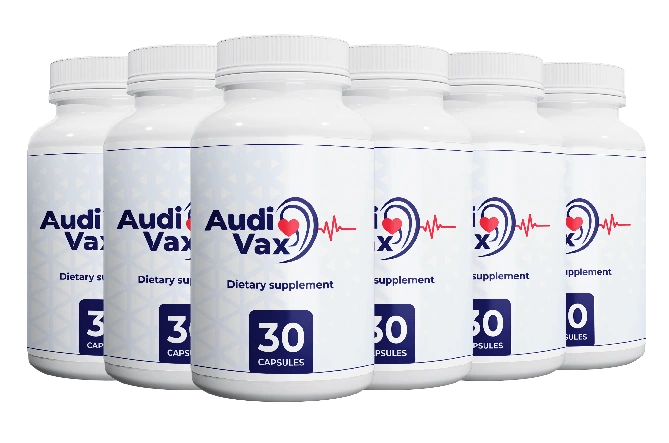
Anchor the calm side of your routine
AudiVax pairs calming botanicals with circulatory hawthorn and adaptogens in one evening capsule. See the exact dose in AudiVax — the six-bottle bundle is the best value at $49 per bottle, with free U.S. shipping and a 60-day guarantee.
Order AudiVax — from $49/bottleWhat does a simple everyday ear-care routine look like?
A simple everyday ear-care routine is a short stack of habits you can keep without thinking about them, layered one at a time until each feels automatic. The goal is not perfection on any single day but a lower average load on your ears across the week.
- Turn the volume down a notch and take a listening break every hour.
- Keep earplugs on you for predictably loud places, and use them early.
- Take a daily walk to support the circulation your whole body, ears included, shares.
- Protect a consistent bedtime so seven to nine hours of sleep does its quiet work.
- Build a short wind-down ritual — dim lights, slow breathing, screens away.
- Take any supplement at the same time daily — for AudiVax, one capsule, ideally in the evening.
The table below sorts these by how quickly they help and how much effort they ask.
| Everyday habit | Typical time to notice | Effort |
|---|---|---|
| Lower the volume & take breaks | Immediate | Low |
| Ear protection in loud places | Immediate | Low |
| Daily walk for circulation | Days to weeks | Low |
| Regular sleep & wind-down | Weeks | Medium |
| Lower everyday stress | Weeks | Medium |
| Consistent activity & not smoking | Weeks to months | Higher |
Botanical support builds gradually, so many people choose a multi-month supply to avoid running out mid-routine — you can compare the packages and pricing on the homepage, or read our companion guide to supporting healthy hearing naturally.
When should you protect your hearing with professional help?
Everyday habits support your ears, but they are not a replacement for professional care when something changes. See an audiologist or doctor promptly if you notice sudden or one-sided hearing loss, ear pain, persistent ringing (tinnitus), dizziness or any drainage — sudden hearing change is treated as urgent. AudiVax is not a treatment for any of these; it is a daily wellness habit that sits alongside, not in place of, professional guidance. For more on the botanical side, see our overview of calming herbs for ear comfort.
Frequently asked questions
How can I protect my hearing every day?
Protect your hearing every day by keeping personal-audio volume moderate, taking regular listening breaks, carrying ear protection for loud places, and supporting the calm, well-circulated body your ears sit inside with sleep, movement and stress management. These small habits stack, and they work alongside sensible hearing protection and professional care rather than replacing them.
What volume is safe for headphones?
A common rule of thumb is to keep personal audio at or below about 60 percent of maximum volume and to take a break every hour. If someone an arm’s length away cannot get your attention, the volume is likely too high. Noise-isolating over-ear headphones help because they let you hear clearly at a lower level.
Do foam earplugs actually help protect ears from noise?
Yes. Well-fitted foam or filtered earplugs and over-ear muffs reduce the sound energy reaching the inner ear, which is where preventable noise damage happens. They are one of the highest-return everyday ear-care habits for concerts, power tools, sporting events and other loud settings.
Can AudiVax protect my hearing?
No supplement can protect the ear from loud noise or restore lost hearing, and AudiVax makes no such claim. AudiVax is a once-daily capsule of calming and circulatory botanicals meant to support everyday ear wellness as part of a broader routine that includes noise protection, sleep and movement.
How long does it take to notice a difference from these habits?
Noise-protection habits help immediately, because they lower the stress reaching your ears the moment you use them. Sleep, stress and circulation changes build over weeks to months, and botanical support builds gradually too, so individual results vary.
When should I see a professional about my hearing?
See an audiologist or doctor promptly for sudden or one-sided hearing change, ear pain, persistent ringing, dizziness or drainage. Everyday hearing-protection habits support ear wellness but are not a substitute for professional evaluation and care.
Check today’s AudiVax pricing →
AudiVax is a dietary supplement, not a treatment for any medical condition, including hearing loss or tinnitus. These statements have not been evaluated by the Food and Drug Administration. This product is not intended to diagnose, treat, cure or prevent any disease. Always consult a qualified healthcare professional about your individual needs.
References & further reading
- National Institute on Deafness and Other Communication Disorders (NIDCD). Noise-Induced Hearing Loss. nidcd.nih.gov/health/noise-induced-hearing-loss
- Centers for Disease Control and Prevention (CDC). How Loud Is Too Loud? Preventing Hearing Loss. cdc.gov — preventing hearing loss
- Mayo Clinic. Hearing loss — Symptoms & causes. mayoclinic.org/hearing-loss
- National Center for Complementary and Integrative Health (NCCIH). Valerian. nccih.nih.gov/health/valerian
- Morata T.C. et al. Hearing protection field attenuation estimation systems and associated training for reducing workers’ exposure to noise. Cochrane Database of Systematic Reviews, 2024.
These references describe the habits and ingredients in general terms and do not constitute evidence that any product treats, cures or prevents any condition.
Keep reading: how to support healthy hearing naturally · the best foods for hearing and ear health · the AudiVax review · back to the AudiVax blog.